Master the Six Factors That Can Affect Your Credit Score

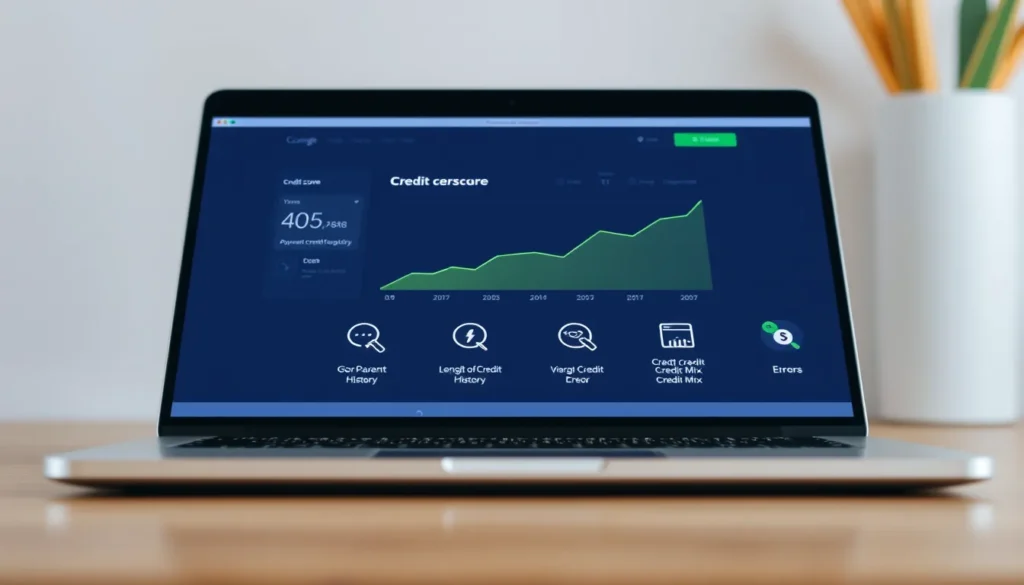
This guide is for anyone with an existing credit file—whether you’re a first‑time borrower, a recent graduate, or someone looking to repair past setbacks. By focusing on the specific Factors That Can Affect Your Credit Score, you’ll learn a single, concrete action for each key area and see how that move translates into a measurable boost.
Follow the step‑by‑step tasks, watch the expected results appear on your FICO or VantageScore, and sidestep the common errors that can erase progress. In just a few minutes a day, you’ll turn abstract advice into real‑world improvement.
Identify the Core Credit‑Score Factors
The next thing to grasp is the six Factors That Can Affect Your Credit Score. These are the elements that FICO and VantageScore weigh when calculating your credit score, and each one will be addressed in the steps that follow.
- Payment history – The single biggest driver; on‑time payments show reliability, while missed or late payments drag the score down.
- Credit utilization – The balance‑to‑limit ratio on revolving accounts; lower percentages signal you’re not over‑leveraged.
- Length of credit history – The age of your oldest account and the average age of all accounts; a longer track record provides more data for the model.
- Credit mix – A blend of revolving, installment and other credit types demonstrates the ability to manage different obligations.
- New credit inquiries – Each hard pull can cause a short‑term dip; frequent applications suggest higher risk.
- Public records – Bankruptcies, tax liens, or civil judgments carry a heavy negative impact.
Knowing why each factor matters sets the stage for the upcoming actions. As you apply the single task for each area, expect measurable bumps in your credit score while steering clear of the common mistakes that can erase progress.
Step 1 — Strengthen Payment History
Begin by enrolling in automatic payments for every revolving and installment account. Choose the due‑date that aligns with your cash‑flow, and set the payment amount to at least the minimum required. Then, once a month, pull your statements and scan them for any discrepancies—incorrect balances, unauthorized charges, or mis‑posted payments.
When payments are consistently posted on time, missed‑payment marks disappear from your record. Both FICO and VantageScore models reward a clean payment history, so you’ll see a steady lift in your credit score as the “Payment history” component of the Factors That Can Affect Your Credit Score improves.
Common mistake: Overlooking a small late fee or assuming that one isolated late payment won’t matter. Even a single 30‑day delinquency can linger on your report for years and offset the gains from other positive actions.
Step 2 — Lower Credit Utilization
To lower your credit utilization—one of the most influential Factors That Can Affect Your Credit Score—focus on two simple moves: reduce the balances you owe and increase the credit available to you.
- Identify any revolving accounts with balances above 30 % of their limits.
- Pay down those balances until the combined utilization falls below the 30 % threshold. If you can pay more than the minimum, do it.
- Contact the issuer of a well‑managed card and request a credit‑limit increase. A higher limit with the same balance automatically improves the ratio.
When your utilization ratio drops under 30 %, both FICO and VantageScore models typically respond with a noticeable bump in your credit score, often within a billing cycle.
Common mistake: Closing an old credit‑card account after paying it off. Even though the balance is zero, the removed limit can push your overall utilization higher, undoing the progress you just made.
Step 3 — Build a Positive Credit Mix
To improve the credit‑mix component of the Factors That Can Affect Your Credit Score, add a credit product that differs from what you already have. If your report shows only revolving accounts, consider opening a secured credit card or applying for a small personal loan. Keep the new account active for at least six months, make on‑time payments, and avoid carrying large balances.
Expected result: Demonstrating responsible management of both revolving and installment credit signals to FICO and VantageScore models that you can handle varied obligations, which can lift the credit mix portion of your score within a few reporting cycles.
Common mistake: Opening several new accounts at once. Multiple inquiries and new balances can look risky, potentially outweighing the benefit of a diversified mix and even triggering a short‑term dip in your credit score.
Step 4 — Extend Length of Credit History
To improve the length of credit history—one of the key Factors That Can Affect Your Credit Score—keep every account that’s been open for several years, especially the oldest credit‑card or loan.
Action: Leave long‑standing cards active; use them occasionally and pay the balance in full each month. If a card has no annual fee, consider setting a small recurring charge (like a subscription) and immediately paying it off.
Expected result: The average age of your accounts rises, which both FICO and VantageScore models treat as a positive signal. Over a few reporting cycles you’ll see a gradual lift in your credit score as the older accounts weigh more heavily in the calculation.
Common mistake: Closing an old card to “simplify” your report. Removing a seasoned account shortens the overall average age, often causing a noticeable dip in the credit score even if other factors remain steady.
Step 5 — Manage New Credit Inquiries
Managing new credit inquiries directly tackles one of the most volatile Factors That Can Affect Your Credit Score. Each hard pull—whether for a credit‑card application, auto loan, or mortgage—can lower your FICO or VantageScore for up to a year, so keeping these checks to a minimum is crucial.
Action: Before you request a hard pull, ask if a soft inquiry will suffice. Use soft checks when shopping for rates on a mortgage or auto loan, and rely on pre‑approval offers that do not generate a hard inquiry. Track any incoming offers in a spreadsheet so you can compare without repeatedly triggering new checks.
Expected result: Fewer hard inquiries mean fewer points deducted, leading to a steadier credit profile and a smoother path to score improvement over subsequent reporting cycles.
Common mistake: Applying for several credit cards or loans within a short period. The cascade of hard pulls can compound the impact, causing a noticeable dip in your credit score before any new accounts even appear on your report.
Frequently Asked Questions
How long does it take for a change to affect my credit score?
Most lenders report updates once a month, so a new payment or reduced balance usually appears on your FICO or VantageScore within 30‑45 days. Expect the score to adjust in the next reporting cycle, not instantly.
Will a debt‑settlement account damage my credit score?
Settling a debt marks the account as “paid settled,” which is less favorable than “paid in full.” It signals that you didn’t meet the original terms, so the factor will lower your score, though the impact lessens over time as the account ages.
What’s the quickest way to dispute an error?
File a dispute directly with each credit bureau that shows the mistake, providing any supporting documents. The bureau must investigate within 30 days and correct any verified inaccuracies, which can restore points lost from the error.
Do credit‑score monitoring services improve my score?
Monitoring alerts you to new inquiries, errors, or sudden changes, helping you act fast. It doesn’t raise the score by itself, but it protects the factors that can affect your credit score and prevents unexpected drops.
