Portable vs. Window AC: Which Cooling Choice Wins?

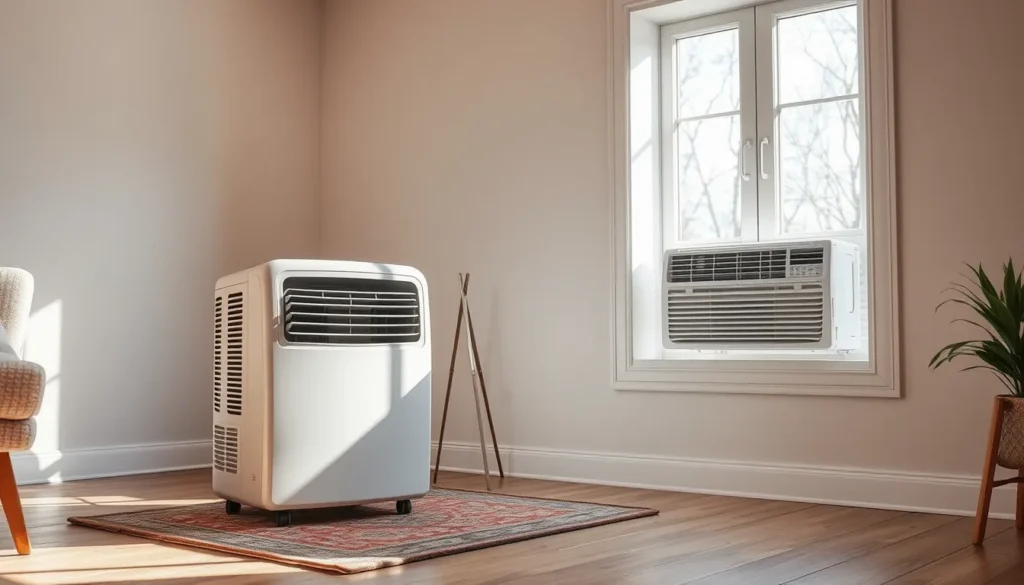
Choosing between portable vs. window air conditioners requires more than comparing price tags. This guide helps renters and homeowners identify the best fit for their specific space, budget, and cooling needs.
You will learn how installation constraints, energy efficiency metrics like SEER and EER, and noise levels impact daily comfort. We break down the practical trade-offs of each type, from mobility to maintenance, so you can make a confident decision without unnecessary guesswork.
Whether you are cooling a single bedroom or an entire apartment, understanding these key factors ensures you select a unit that operates efficiently and fits seamlessly into your lifestyle.
The Basics of Room Cooling
The Mechanics of Heat Transfer
Both portable and window units rely on the same fundamental refrigeration cycle. A compressor pumps refrigerant through a system, absorbing heat from the indoor air as it passes over cool evaporator coils. The heated refrigerant then moves to the condenser, where a fan blows outside air across it, rejecting that heat to the exterior. This continuous loop lowers the room temperature while also removing moisture through dehumidification, which is critical for comfort in humid climates.
Why BTU Ratings Matter
The cooling capacity of any air conditioner is measured in BTUs (British Thermal Units). A BTU represents the amount of energy required to raise one pound of water by one degree Fahrenheit. Matching the BTU rating to your room size is essential. An undersized unit will run constantly, struggling to reach the set temperature and wearing out prematurely. Conversely, an oversized unit cycles on and off too frequently, failing to adequately dehumidify the space and leaving you with a cool but clammy environment.
The Impact of Placement
Placement significantly influences efficiency. Window units benefit from direct exterior access, allowing hot air to exhaust immediately. Portable units require a venting hose, which can restrict airflow if kinked or too long. The CFM (Cubic Feet per Minute) airflow rating indicates how much air the unit circulates; proper placement ensures this air moves effectively across the room, preventing hot spots and maintaining consistent temperatures.
Installation and Space Considerations
Window installation typically involves mounting a unit into a pre-existing opening or cutting a new one in the frame. This requires measuring the sash carefully and securing the AC within the window track. It provides a clean, fixed setup but permanently alters the window structure. Renters often face restrictions here, as landlords may prohibit structural modifications or require professional installation to ensure safety and compliance with building codes.
Portable units offer a non-invasive alternative. They sit on the floor and connect to the outside via a venting hose. This hose must exit through a window, sliding door, or wall kit. The flexibility is high, but the hose length and diameter directly impact performance. A kinked or overly long hose reduces airflow, forcing the compressor to work harder and increasing energy use.
Consider the room’s layout. Window units gain space with their compact footprint but block the view and natural light. Portable units occupy floor space, potentially obstructing pathways or furniture placement. Ensure the unit is level to prevent vibration and noise. For rentals, portable units are generally friendlier since they leave no permanent marks. However, check the weight capacity of your flooring, especially in upper-story apartments, to avoid structural stress from the unit’s mass.
Energy Consumption and Efficiency
Efficiency ratings help quantify energy use. Window units typically boast higher SEER (Seasonal Energy Efficiency Ratio) scores than portable models. SEER measures cooling efficiency over a typical cooling season, while EER (Energy Efficiency Ratio) reflects performance under peak summer conditions. Because portable units lose cool air through exhaust vents and lack airtight seals, they often consume more electricity to maintain the same temperature.
This difference impacts monthly bills. A less efficient portable unit might run longer to offset heat gain from the venting hose, increasing total kWh usage. Window units, being more sealed against the building envelope, often achieve the desired BTU output with less compressor runtime.
Consider your local electricity rates when comparing long-term costs. Even a modest efficiency gap compounds over months of daily use. If you plan to run the AC continuously, prioritize units with higher efficiency metrics. Look for Energy Star labels, which indicate models meeting strict efficiency guidelines. While the upfront price difference may be small, the operational savings from a more efficient window unit can be significant over time. Always match the unit’s cooling capacity to your room size to avoid unnecessary energy waste, as oversized or undersized systems struggle to operate efficiently.
Noise, Mobility, and Aesthetic Impact
< p>Sound is a major factor in daily comfort. Window units typically run quieter because the compressor and fan are mounted on the exterior frame, isolating vibration from the interior. Portable air conditioners house these components inside the unit, often resulting in higher decibel levels. If your bedroom or home office is nearby, a window model may provide a more peaceful environment. However, newer portable designs incorporate sound-dampening features that significantly reduce operational noise, narrowing the gap between the two types.
< p>Mobility defines the flexibility of each system. Portable units offer the distinct advantage of being moved from room to room as needed. This makes them ideal for renters or those who frequently rearrange furniture. Window units are fixed installations; once mounted, they cannot be relocated without significant effort and potential damage to the frame. For permanent cooling solutions in specific rooms, the stationary nature of window units is less of a drawback.
< p>Visual impact also varies. Window units occupy a portion of the window frame, potentially blocking light or views. They are generally considered more utilitarian. Portable units sit on the floor, taking up valuable square footage and requiring space for the venting hose. While they do not block windows, their bulkier presence and necessary hose connection can disrupt the aesthetic flow of a room. Choose based on whether you prioritize unobstructed windows or flexible floor space.
Maintenance, Lifespan, and Upkeep
Cleaning the air filter is the most critical routine task for both portable and window units. A clogged filter restricts CFM airflow, forcing the compressor to work harder and reducing dehumidification capacity. Remove the screen, rinse it under tap water, and let it dry completely before reinstalling. For portable units, inspect the venting hose regularly. Ensure it does not kink, as this restricts exhaust air and causes the unit to overheat. Also, check the condensate drain or internal pump to prevent water accumulation inside the cabinet.
Window units require attention to the weatherstripping and seal around the frame. Over time, this material degrades, allowing unconditioned air to leak in. Replacing these seals restores efficiency and prevents drafts. Both types benefit from a seasonal deep clean of the evaporator coils, which can be done with a soft brush or a coil cleaner spray to remove dust buildup that traps heat.
With consistent care, both portable and window air conditioners typically last several years. Window units often have a slightly longer service life because their components are fixed and less prone to physical stress from moving. Portable units endure more vibration due to their mobility, which can impact fan motors over time. Regular upkeep extends the lifespan of either type, ensuring reliable cooling through multiple summers.
Decision Checklist for Choosing the Right Unit
Room Size and BTU Match
Measure your space to determine the required cooling capacity. A unit with insufficient BTUs will struggle to maintain temperature, while an oversized unit cycles on and off frequently, reducing dehumidification effectiveness. Ensure the selected capacity aligns with your room dimensions and local climate intensity.
Installation Constraints
Assess your window type and wall structure. Window units require a specific frame shape and weight-bearing capacity. If you rent or lack suitable window space, a portable air conditioner offers flexibility, provided you can vent the exhaust hose through a sliding door or small window opening.
Budget and Efficiency
Compare upfront costs against long-term energy expenses. Look for high SEER or EER ratings to minimize utility bills. Factor in potential installation hardware for window units versus the convenience premium of portable models. Calculate the total cost of ownership, including filters and potential repairs.
Noise and Mobility
Determine your noise tolerance. Window units generally operate quieter because the compressor is external. Portable units house all components indoors, producing more indoor noise. Consider whether you need to move the unit between rooms daily or keep it in a single location.
